Septic service in West St. Paul, MN
Homes in West St. Paul that are not on city sewer depend on a septic tank and drain field that need regular care. Whether you need routine pumping, a repair, an inspection for a home sale or a new system, a local septic company that works in West St. Paul and across Dakota County can help.
West St. Paul has about 21,722 residents across 4.9 square miles. The same crews typically serve South St. Paul, Mendota Heights, St. Paul and other nearby communities.
Taking care of a septic system in West St. Paul
A septic system works quietly until something goes wrong, so a little routine care goes a long way. Pump the tank every few years, keep a record of each visit, and spread out heavy water use like laundry. Keep grease, wipes and harsh chemicals out of the drains. Outside, keep vehicles and new structures off the tank and drain field, and point gutters and sump pumps away from the field.
Early septic warnings West St. Paul homeowners notice
The first signs in West St. Paul are usually subtle. A toilet that takes an extra second to clear, a faint smell near the tank after rain, or a patch of grass that stays greener than the rest. Each one on its own may be nothing. Two or three together mean it is time to have the tank and drain field checked.
Choosing a septic company near West St. Paul
Ask how long the company has worked in Dakota County and the towns around West St. Paul, and whether they handle your type of system. Get a clear explanation of what they will do and a written quote for anything beyond routine pumping. A good company explains what they find, shows you problems when they can, and does not push replacement before a repair has been considered.
New construction and septic in West St. Paul
Building on a lot without sewer near West St. Paul starts with a soil evaluation and a permit from Dakota County. The soil test decides what kind of system the lot can support and how large the drain field must be. Some lots need a mound or another engineered system. Get this done before finalizing house plans.
Local conditions in West St. Paul
Among the mapped soils within about two miles of central West St. Paul, the USDA soil survey rates 100% as very limited for septic absorption fields, 0% as somewhat limited and 0% as not limited. The most common drainage class is well drained. Soils like these often call for careful system design, such as a larger drain field, a mound or another engineered system, and a site evaluation before any new installation or replacement.
West St. Paul averages about 33 inches of precipitation a year, and June is usually the wettest month. Average temperatures stay below freezing for about 4 months a year, with January averaging 13°F, so tank lids and shallow lines benefit from a layer of snow or mulch rather than being cleared bare.
Sources: USDA NRCS Soil Survey (SSURGO), Soil Data Access; NASA POWER long-term climatology. Soil ratings describe mapped soil types near the city center and do not replace a site evaluation of your property.
Septic services in West St. Paul
- Septic Tank Pumping
Routine pumping to keep solids from reaching the drain field.
- Emergency Septic Service
Help for backups, overflows and alarms that cannot wait.
- Septic Inspection
Inspections for home sales, refinancing and routine checkups.
- Septic Repair
Baffles, pipes, pumps, lids and tank repairs.
- Drain Field Repair
Fixing or replacing a failing leach field.
- Septic Installation
New and replacement septic systems.
- Aerobic Septic Service
Maintenance contracts and repairs for aerobic treatment units.
- Septic Riser and Lid Installation
Risers and lids that make future pumping faster and cheaper.
Common septic questions in West St. Paul
- How often should a septic tank in West St. Paul be pumped?
- Most households pump every three to five years. Tank size, the number of people in the home and whether you use a garbage disposal all change that. A local company can check your tank and set a schedule.
- Who handles septic permits for West St. Paul?
- Septic permits and inspection rules are usually set at the county or state level. Check with the Dakota County health department or permitting office, or ask the septic company to pull permits for you.
- What are signs of septic trouble?
- Slow drains in several fixtures, gurgling pipes, sewage odors, wet or unusually green grass over the drain field, and backups in the lowest drains are the common warning signs.
- Does SepticTank.com do the work?
- No. SepticTank.com connects you with an independent local septic company that serves West St. Paul and nearby communities.
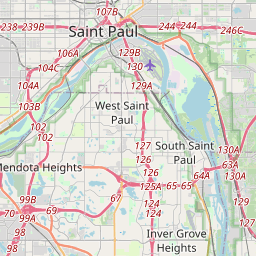





Nearby communities
- South St. Paul 2.4 mi
- Mendota Heights 2.9 mi
- St. Paul 3.3 mi
- Newport 4.7 mi
- Inver Grove Heights 5.2 mi
- St. Paul Park 6.4 mi
Own a septic company in West St. Paul? This city is available to one company. Every request from this page goes to you.
See availability