Septic service in Buckeye Lake, OH
Homes in Buckeye Lake that are not on city sewer depend on a septic tank and drain field that need regular care. Whether you need routine pumping, a repair, an inspection for a home sale or a new system, a local septic company that works in Buckeye Lake and across Licking County can help.
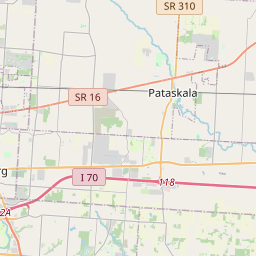
Buckeye Lake has about 2,558 residents across 2.0 square miles. The same crews typically serve Hebron, Thornville, Heath and other nearby communities.
We can not service this area.
We do not have a septic company serving Buckeye Lake, OH yet.
Small habits, fewer septic bills in Buckeye Lake
Homes in Buckeye Lake that spread out water use tend to have fewer septic problems. Run one load of laundry at a time, fix dripping faucets, and keep a note of when the tank was last pumped. If you have a garbage disposal, use it lightly, because food waste fills the tank faster. These habits cost nothing and save a repair call later.
Warning signs worth a phone call
A single slow sink is usually a clog. Slow drains in several rooms, gurgling after a toilet flush, or odors near the tank point to the septic system. So do wet spots in the yard that never dry out. Acting early often means a simpler, less expensive fix than waiting until sewage backs up into the house.
Finding the right local company
Local experience matters with septic work, because soil, rules and common system types change from county to county. A company that works around Buckeye Lake and Hebron, Thornville, Heath will know what the Licking County health department requires and what tends to go wrong on local properties. Ask for references on bigger jobs and keep every invoice with your home records.
Records worth keeping for your Buckeye Lake septic system
Keep a simple file for your Buckeye Lake septic system. Include the permit and as-built drawing if you have them, each pumping receipt, and notes on any repairs. Inspectors, buyers and future septic companies all ask for this history. It also helps you spot when the pumping interval is getting shorter, which is an early warning.
Local conditions in Buckeye Lake
Among the mapped soils within about two miles of central Buckeye Lake, the USDA soil survey rates 98% as very limited for septic absorption fields, 2% as somewhat limited and 0% as not limited. The most common drainage class is well drained. Soils like these often call for careful system design, such as a larger drain field, a mound or another engineered system, and a site evaluation before any new installation or replacement.
Buckeye Lake averages about 39 inches of precipitation a year, and June is usually the wettest month. Average temperatures stay below freezing for about 2 months a year, with January averaging 27°F, so tank lids and shallow lines benefit from a layer of snow or mulch rather than being cleared bare.
Sources: USDA NRCS Soil Survey (SSURGO), Soil Data Access; NASA POWER long-term climatology. Soil ratings describe mapped soil types near the city center and do not replace a site evaluation of your property.
Septic services in Buckeye Lake
- Septic Tank Pumping
Routine pumping to keep solids from reaching the drain field.
- Emergency Septic Service
Help for backups, overflows and alarms that cannot wait.
- Septic Inspection
Inspections for home sales, refinancing and routine checkups.
- Septic Repair
Baffles, pipes, pumps, lids and tank repairs.
- Drain Field Repair
Fixing or replacing a failing leach field.
- Septic Installation
New and replacement septic systems.
- Aerobic Septic Service
Maintenance contracts and repairs for aerobic treatment units.
- Septic Riser and Lid Installation
Risers and lids that make future pumping faster and cheaper.
Common septic questions in Buckeye Lake
- How often should a septic tank in Buckeye Lake be pumped?
- Most households pump every three to five years. Tank size, the number of people in the home and whether you use a garbage disposal all change that. A local company can check your tank and set a schedule.
- Who handles septic permits for Buckeye Lake?
- Septic permits and inspection rules are usually set at the county or state level. Check with the Licking County health department or permitting office, or ask the septic company to pull permits for you.
- What are signs of septic trouble?
- Slow drains in several fixtures, gurgling pipes, sewage odors, wet or unusually green grass over the drain field, and backups in the lowest drains are the common warning signs.
- Does SepticTank.com do the work?
- No. SepticTank.com connects you with an independent local septic company that serves Buckeye Lake and nearby communities.